01
SAFETY INSPECTION
Brake testers, side-slip testers, axle load scales, suspension testers, headlamp testers, and speedometer benches for core roadworthiness inspection workflows.
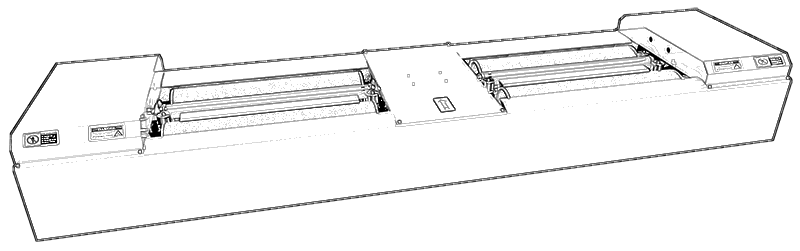
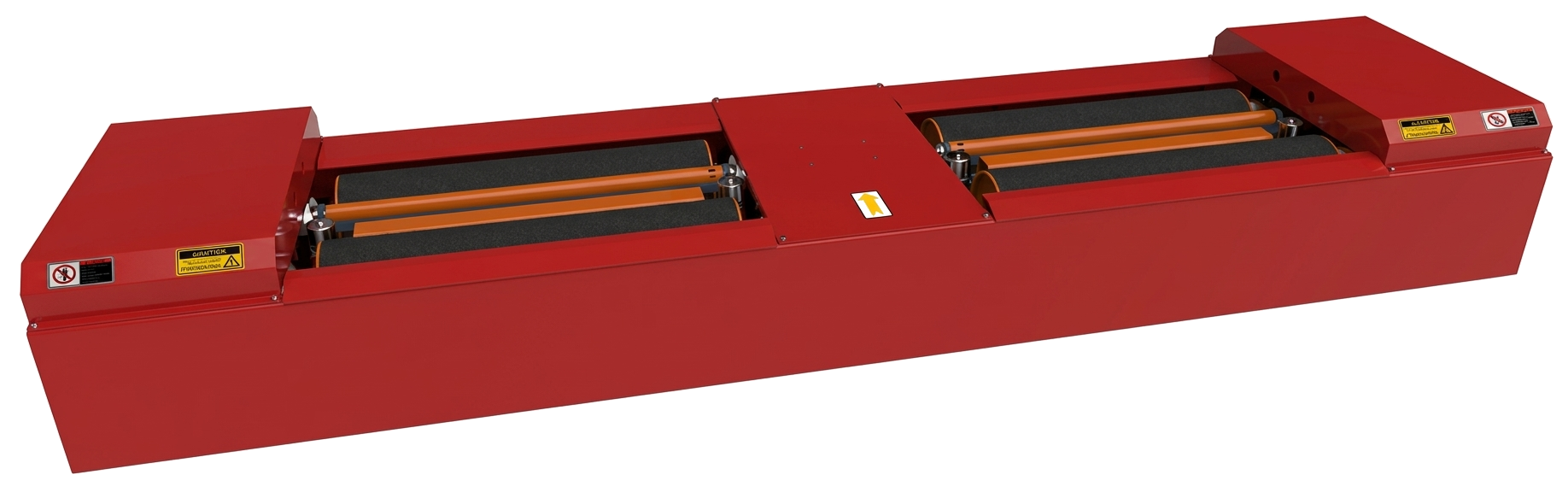
Zhuhai ZhongLi supplies standalone vehicle inspection equipment and scalable line solutions for government programs, OEM plants, independent test stations, and special-vehicle operators.
Single
Standalone test stations for faster quoting and easier deployment.
Scale
Expandable from individual modules to coordinated inspection lines.
Use Cases
Suitable for public programs, OEM plants, and testing operators.
Single Equipment
Brake, suspension, side-slip, speed, headlamp and integrated stations.
Line Solutions
From lane planning to end-of-line deployment and workflow integration.
Solutions
We provide modular vehicle inspection solutions for international buyers who need reliable equipment, practical deployment support, and a clear path from single stations to integrated inspection workflows.
Our product mix combines standalone test equipment, expandable lane planning, and scenario-based configuration for government inspection, OEM plants, and independent testing operations.
Brake testers, side-slip testers, axle load scales, suspension testers, headlamp testers, and speedometer benches for core roadworthiness inspection workflows.
Chassis dynamometers, exhaust gas analyzers, smoke meters, and OBD diagnostic systems for compliant environmental testing and integrated lane deployment.
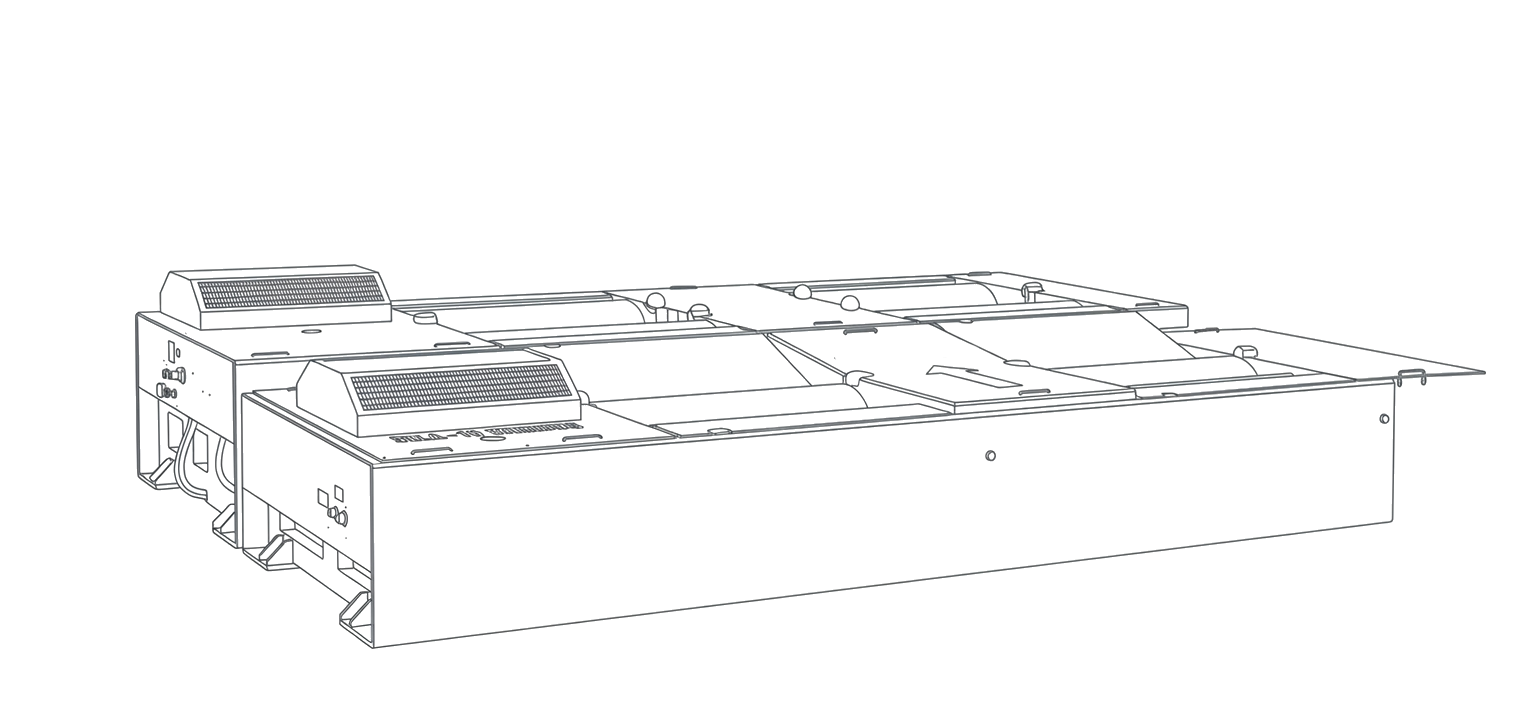
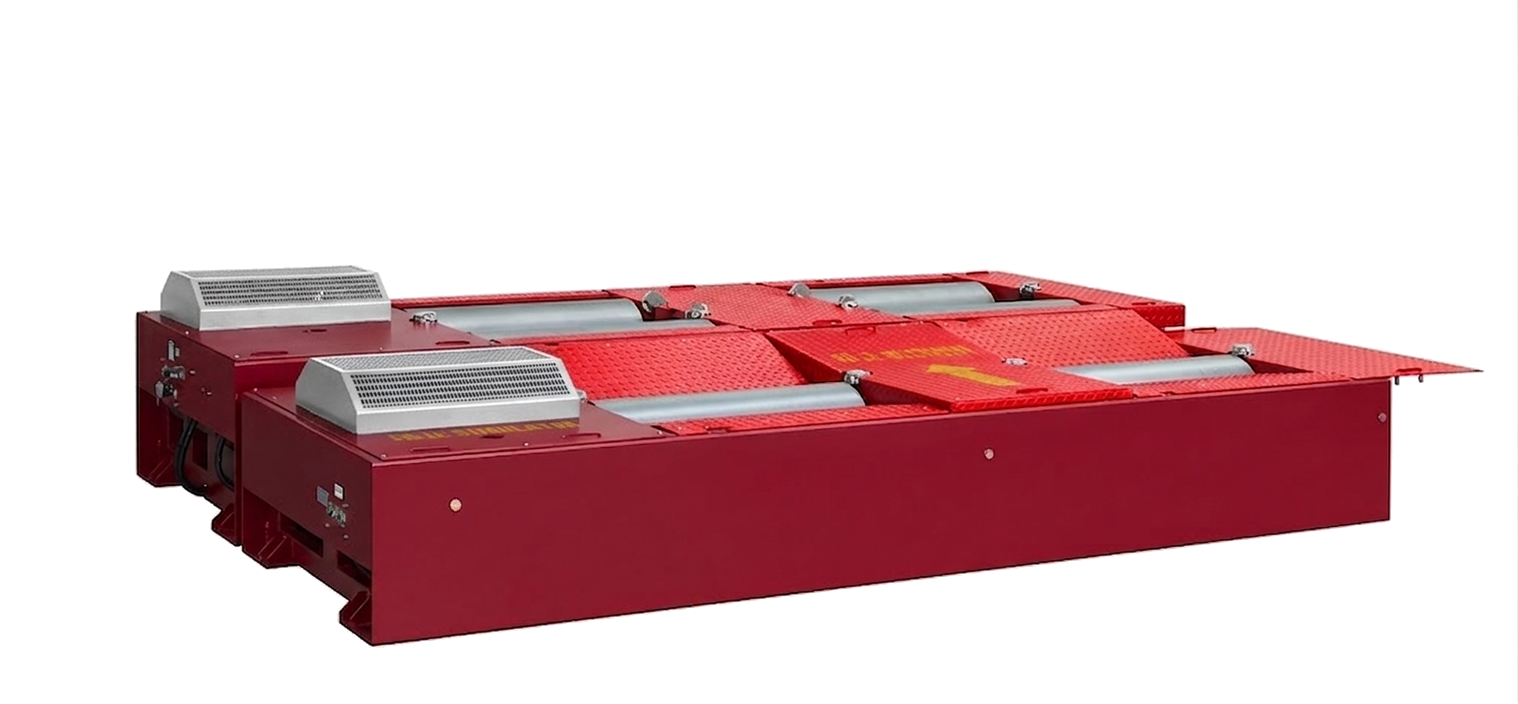
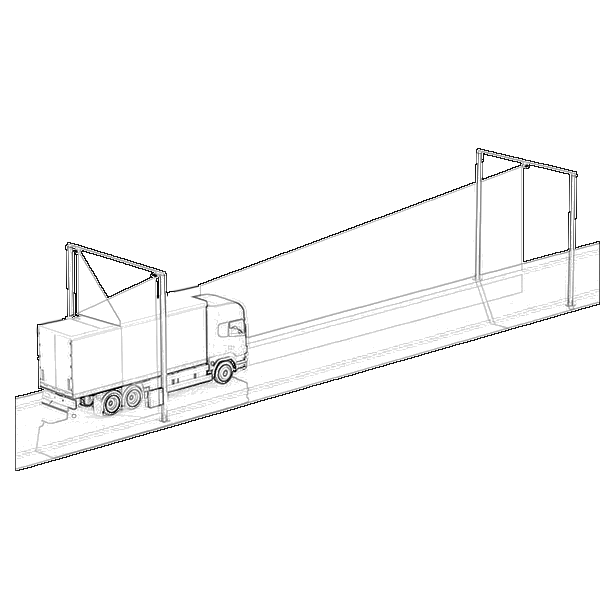
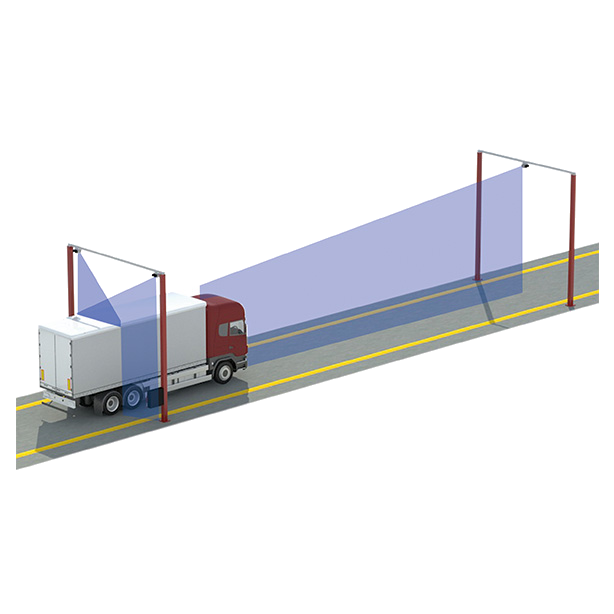
Dimension measurement systems, weighbridge solutions, and steering angle instruments for complete vehicle data capture and station-level integration.
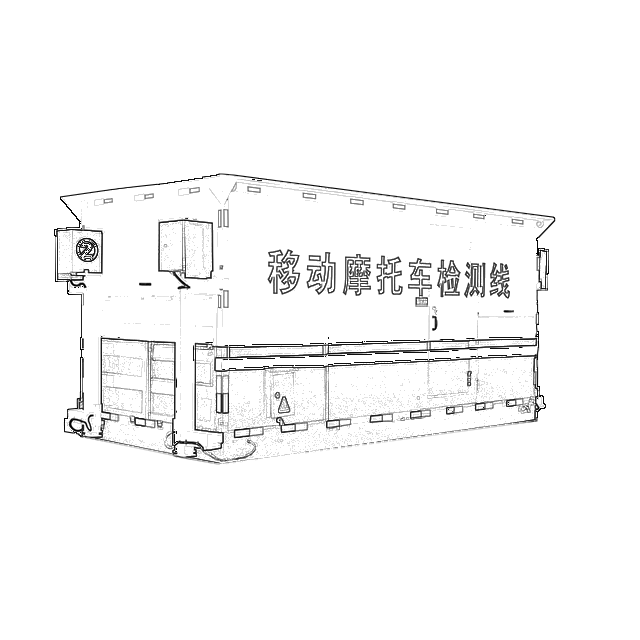
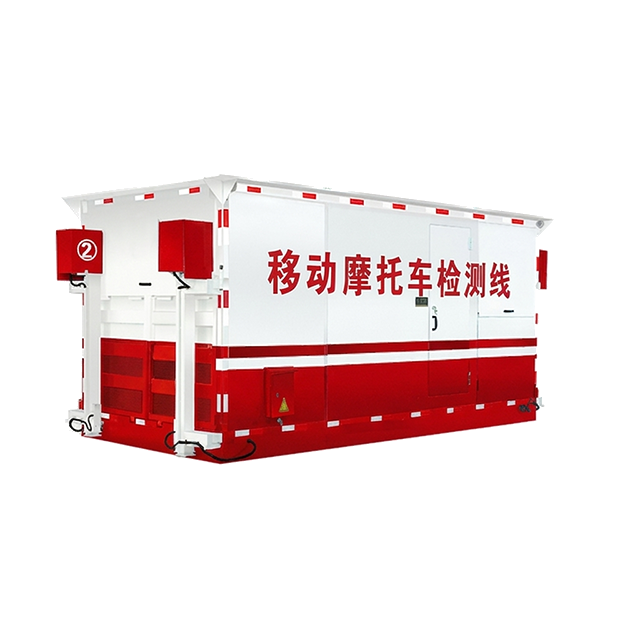
Motorcycle inspection lines and mobile testing lines designed for flexible deployment, compact site conditions, and region-specific inspection programs.
Applications
International buyers prioritize scenario-driven deployment. We focus on throughput targets, compliance standards, and the critical path from planning to full operation.
Our modular approach ensures the solution matches your specific site conditions, bridging the gap between procurement and high-performance testing.
Stable testing modules and coordinated lane planning for public programs that need repeatable operation and dependable data flow.
End-of-line and production-side inspection layouts for manufacturers that need reliable verification before delivery.
A practical path for operators who want to start from one station and expand into a fully integrated setup.
Special-vehicle inspection planning for bus and truck programs where workflow clarity matters as much as the hardware.
ZHUHAI ZhongLi is one of the leading vehicle inspection system solution and service suppliers for many years in world.
ZhongLi has supplied vehicle inspection systems and deployment support for long-term public, OEM, and independent testing programs.
40% of ZhongLi team are engineers, who have been in the vehicle inspection industry with more than 20 years of experience.
We align equipment selection, lane workflow, and deployment planning so inspection programs can scale with fewer operational surprises.
Our inspection systems are designed for stable throughput, repeatable measurement, and easier maintenance across long operating cycles.

Case Showcase
Each project reflects a unique delivery path, turning complex inspection requirements into stable, high-performance operations with precision control.
 Government
Fragmented standalone stations with uneven throughput.
Modular lane redesign with phased replacement.
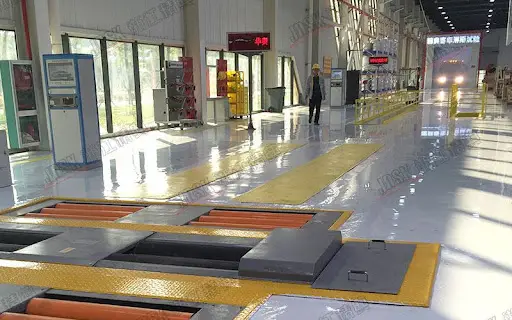 OEM Plant
Need higher verification consistency before release.
Integrated brake, speed, and side-slip modules.
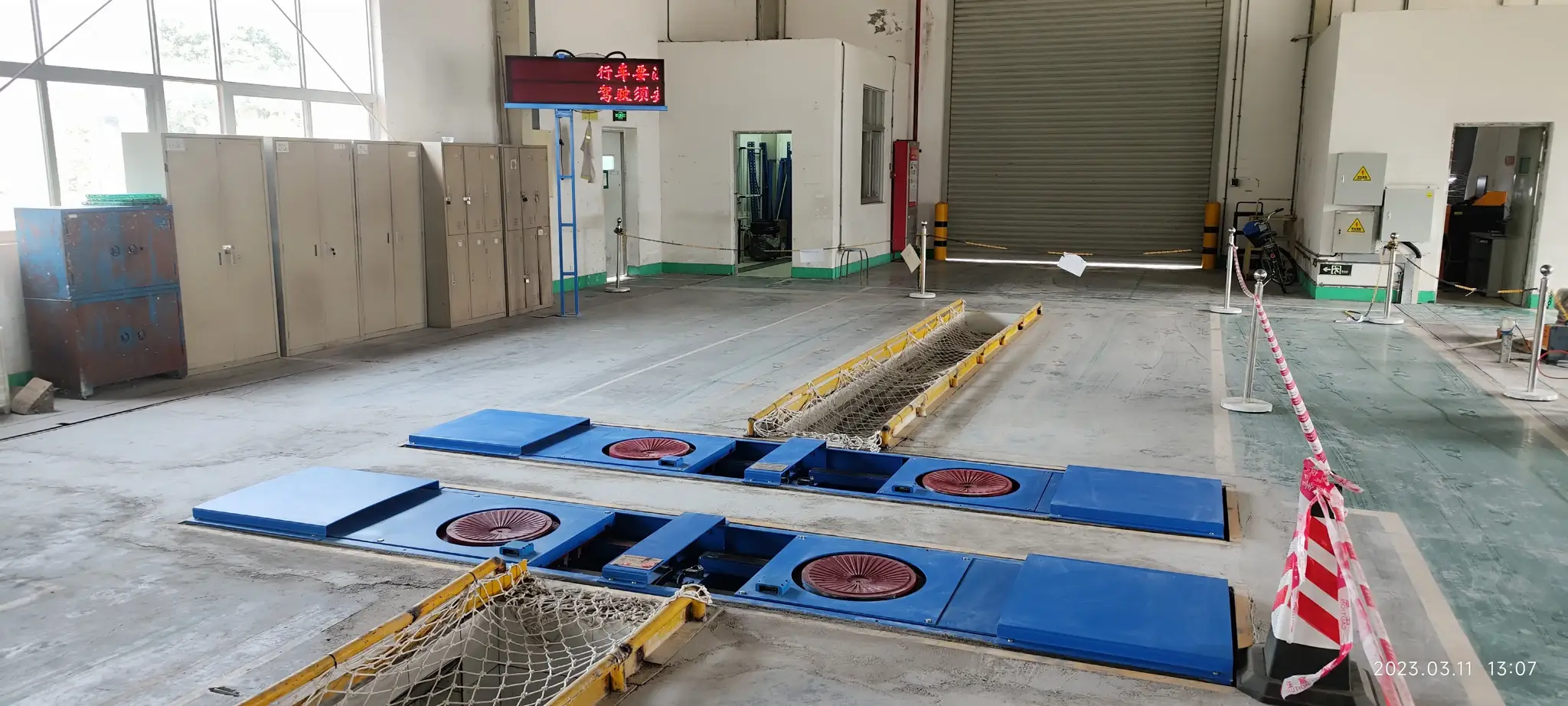 Independent
Budget-driven expansion without service disruption.
Start from core and extend with compatible modules.
A brake testing system is a crucial component of any vehicle inspection line. In this guide, we'll walk you through the key considerations f
Read more →Discover the key factors to consider when selecting a wheel alignment system for your automotive inspection line. Learn about the benefits,
Read more →Discover the key considerations for selecting a chassis dynamometer for your automotive test line. Learn about the benefits, types, and appl
Read more →